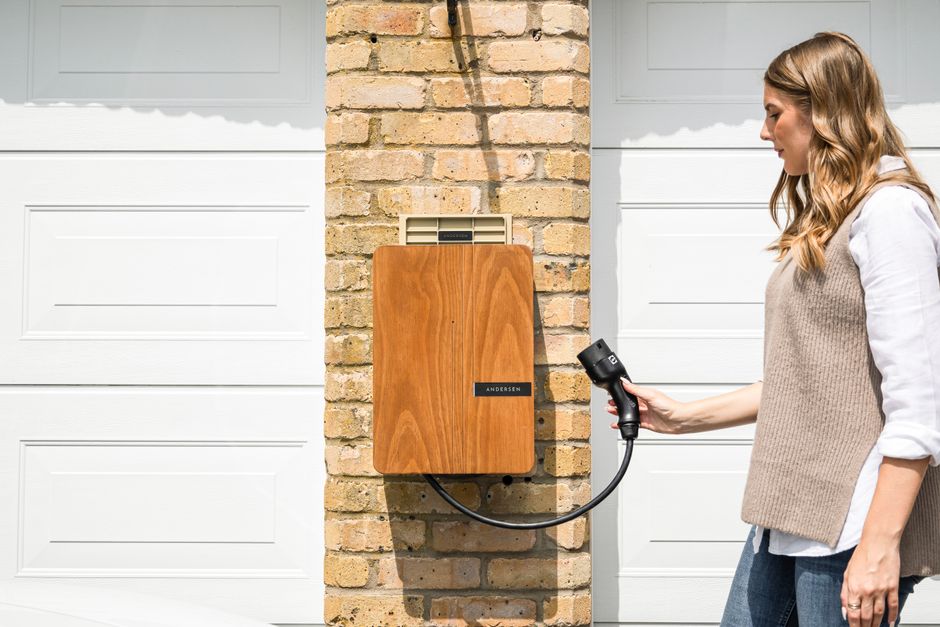
How to Install a Car Charger in an Apartment or Unit: What NSW Buyers Need to Know About EV Infrastructure and Property Value
Whether you are buying your first apartment or upgrading to a compact townhouse, understanding how electric vehicle charging works in strata and unit settings can meaningfully affect your property's value and your day-to-day lifestyle. This article walks through the practical and legal considerations every NSW buyer and seller should know.
How to Install a Car Charger in Alto and Other Compact Living Situations
If you are searching for how to install a car charger in Alto apartments or similar high-density buildings, you are not alone. Compact living is increasingly popular across Sydney, and EV ownership is rising fast alongside it. The challenge is that units, apartments and strata-titled properties come with layers of approval, shared infrastructure and body corporate rules that detached homeowners simply do not face.
Understanding the Basics Before You Start
Installing a home EV charger in a compact building typically involves three key steps:
- Strata approval: You will generally need written consent from the owners corporation before any electrical work begins in a shared carpark or common area.
- Electrical assessment: A licensed electrician must assess whether the building's existing switchboard and metering can support a dedicated circuit for a Level 2 charger.
- Council and building compliance: Depending on your building's age and configuration, a development application or at minimum a complying development certificate may be required under NSW planning rules.
Manufacturers such as Tesla, Inc. publish detailed installation guides for their Wall Connector units, but those guides assume a standalone property with straightforward electrical access. In a stacked apartment block or a compact urban development like Alto, the reality is considerably more complex.
From a conveyancing perspective, the presence of an already-approved and installed charger in a unit can be a genuine selling point. Buyers should ask their property lawyer to check strata records for any existing approvals, outstanding compliance notices or by-law amendments related to EV infrastructure before exchanging contracts.
Why EV Charger Installation Has Become a Property Value Factor in 2026
Questions like how to install car charger in alto and similar compact or apartment-style vehicles have surged in popularity across Sydney, and that curiosity reflects a much larger shift in what buyers now expect from a property. Electric vehicles are no longer a niche choice. With fuel costs climbing and government incentives pushing EV adoption faster than many analysts predicted, a home that already supports EV charging is increasingly seen as move-in ready in a way that a property without that infrastructure simply is not.
From a property value perspective, several factors are converging at once:
- Buyer demographics are shifting. A growing proportion of active buyers in New South Wales either already own an EV or plan to purchase one within the next two years. For these buyers, a working charger is not a bonus feature. It is a baseline expectation.
- Insurance and lending preferences are evolving. Some lenders are beginning to factor energy efficiency and EV readiness into their assessment of a property's long-term value and liveability.
- Strata and apartment markets feel the pressure most. Units and apartments in Sydney often lack dedicated charging infrastructure, so properties that have resolved this problem, whether through a dedicated circuit, a smart charger, or a strata-approved solution, stand out clearly in a competitive market.
- Disclosure obligations are expanding. Conveyancers are increasingly asked to review whether existing charger installations comply with local council requirements, strata by-laws and electrical safety standards.
For anyone buying or selling in New South Wales right now, understanding how EV charging infrastructure affects a contract of sale is becoming as important as understanding rates adjustments or inclusions. This is exactly the kind of detail that a thorough conveyancing review should capture before contracts are exchanged.
What Home Buyers Need to Know Before Signing a Contract (Including How to Install a Car Charger in an Apartment or Unit)
Whether you are searching for a standalone house or exploring how to install a car charger in an apartment or unit you are considering purchasing, there are several conveyancing checkpoints you should run through before you commit to any contract in New South Wales. Getting these details right early can save you significant cost and frustration after settlement.
- Check the strata by-laws: In apartments and units, by-laws govern what owners can and cannot alter. Some strata schemes explicitly restrict electrical modifications to common property infrastructure, which directly affects your ability to add an EV charger later.
- Review the Section 184 certificate and strata records: These documents reveal any outstanding levies, pending special levies, or committee decisions related to EV charging infrastructure. A pending scheme-wide EV upgrade could mean a large levy is coming your way shortly after you settle.
- Identify who owns the switchboard and meter board: In older apartment blocks particularly, the electrical infrastructure may be classified as common property. If that is the case, any charger installation requires owners corporation approval, not just an electrician.
- Confirm car parking entitlements: An EV charger is only practical if your parking space is on title or covered by a registered easement. A space that is merely a licence arrangement may not give you the rights you need to run cabling.
- Ask your conveyancer to flag relevant special conditions: A skilled conveyancer can negotiate special conditions that require the vendor to disclose any body corporate decisions affecting EV infrastructure before settlement.
These are exactly the kinds of details the team at RebConveyancing examines on your behalf. Before you sign anything, it is worth exploring the buying process in full and understanding what due diligence looks like in practice. You might also find it useful to read about what to check before settling into a new suburb in Sydney for a broader pre-purchase checklist.
Conveyancing Checks Every EV-Conscious Buyer Should Request
Whether you are researching how to install a car charger in an alto-style apartment or buying a freestanding home, the conveyancing process is your best opportunity to uncover what a property can actually support before you sign anything. EV infrastructure is now a legitimate line item in a thorough buyer's due diligence, and a good conveyancer will help you ask the right questions early.
Here are the key checks RebCon recommends every EV-aware buyer request during their conveyancing review in New South Wales:
- Section 184 strata certificates: For units and apartments, this document reveals whether the owners corporation has any by-laws or resolutions restricting electrical alterations, including charger installation in car spaces.
- Electrical infrastructure disclosure: Ask the vendor or their agent to confirm the switchboard age, amperage capacity, and whether a dedicated circuit already exists in the garage or car space.
- Council and building approvals: Check that any existing charger was installed with proper approvals. An unpermitted installation can become your liability the moment settlement completes.
- Body corporate meeting minutes: Strata records from the last two to three years often reveal whether EV charging has been debated, approved or rejected at general meetings, giving you a clear picture of the building's attitude toward future upgrades.
- Easements and common property boundaries: Confirm exactly where your car space ends and common property begins, since running conduit across common property typically requires owners corporation consent.
If a property already has a charger fitted, buyers should request documentation from a licensed electrician confirming compliant installation. Reputable providers such as EV Install, specialists in residential car charger setup across Sydney, can supply the compliance certificates a conveyancer needs to verify the work is above board.
Raising these points with your conveyancer before exchange, rather than after, gives you genuine negotiating power and protects your investment long term.
Costs, Permits and Body Corporate Rules That Affect Your Decision on How to Install a Car Charger in a Unit
Understanding how to install a car charger in a unit involves more than just picking the right hardware. Before any work begins, you need to budget for several layers of cost and compliance, particularly in New South Wales where strata and body corporate regulations add an extra dimension to the process.
- Licensed electrician fees: A certified electrician must carry out the installation. Quotes in Sydney typically range from $800 to $2,500 depending on cable runs, switchboard upgrades and meter configurations.
- Permits and approvals: Most local councils and energy distributors require a formal application before a dedicated EV circuit is connected. Your conveyancer can check the Section 10.7 certificate and existing approvals when reviewing a contract.
- Body corporate or owners corporation consent: In any strata building, you must obtain written approval before altering common property wiring or installing equipment in a shared car park. Some schemes have adopted EV-friendly by-laws; others have not, and a refusal can derail your plans entirely.
- Metering costs: Where a separate sub-meter is required to fairly allocate electricity usage, that adds both installation cost and ongoing administrative complexity.
From a conveyancing perspective, buyers should request copies of any body corporate minutes, existing EV charging resolutions and electrical compliance certificates before exchanging contracts. These documents reveal whether a previous owner installed a charger with proper consent or cut corners, which can create liability for the incoming owner.
A fixed-fee conveyancer familiar with New South Wales strata law can review by-laws, flag unapproved works and negotiate special conditions that protect you if consent is later refused.
Home EV charging is no longer a luxury feature. It is a practical asset that influences lender valuations, buyer appeal and long-term liveability. Whether you are purchasing a house or a strata unit, understanding the electrical, legal and body corporate dimensions of EV infrastructure gives you a genuine advantage in the Sydney property market. Working with experienced property lawyers from the outset ensures that every detail, from charger consent to contract conditions, is handled correctly so your investment is protected from day one.